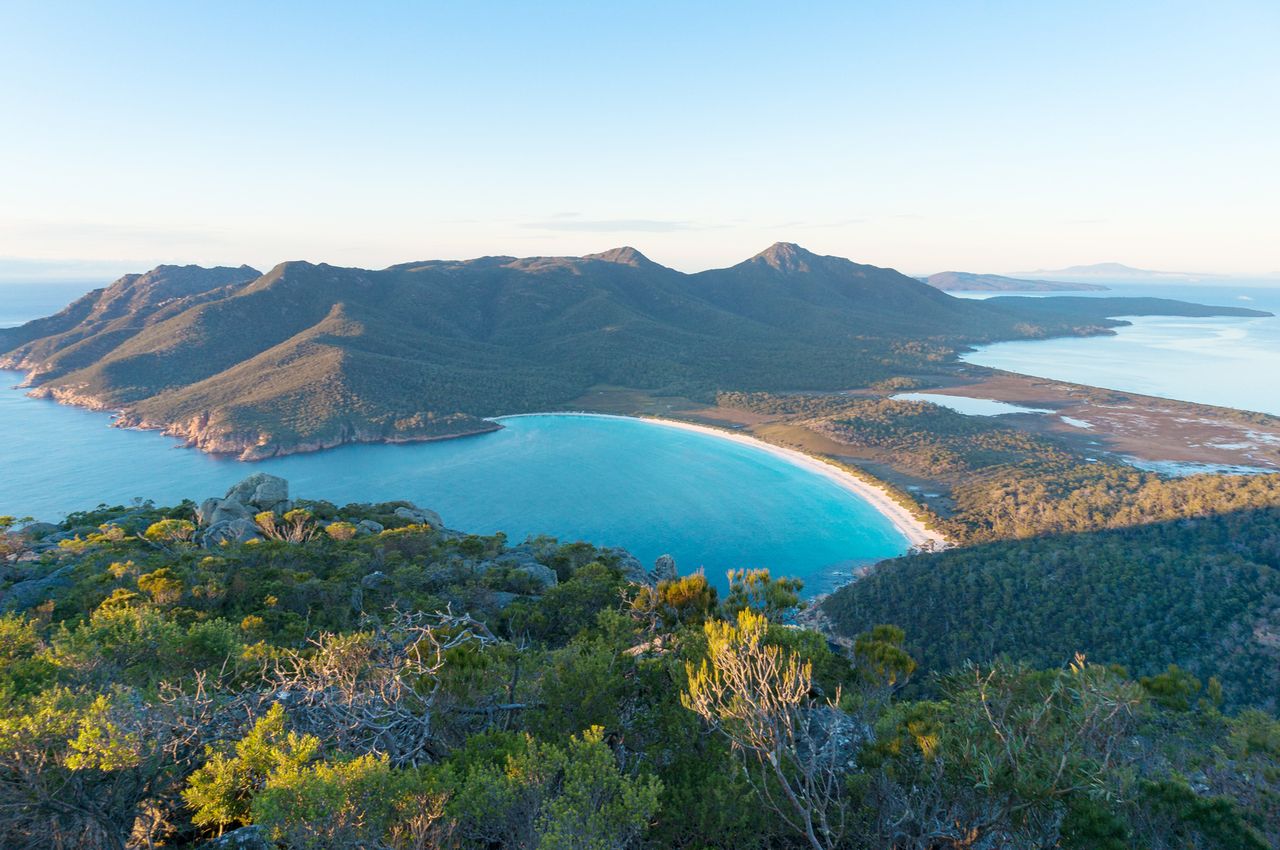
Ask most mainlanders when to visit Tasmania and they'll say summer. They're not wrong - but they're missing something. Winter in Tasmania isn't a consolation prize. It's a completely different island: quieter, moodier, arguably more beautiful, and significantly easier on the wallet.
Here's why the locals quietly love this time of year - and why you might too.
The Southern Lights Put on a Show
Tasmania is one of the few places in the world where you can realistically see the aurora australis, and winter's long, dark nights are prime viewing season. On a clear night away from city lights, the southern sky can erupt in curtains of green, pink and violet. No guarantees - that's part of the magic - but there's nowhere better in Australia to try.
Snow on the Mountain, Coffee in the City
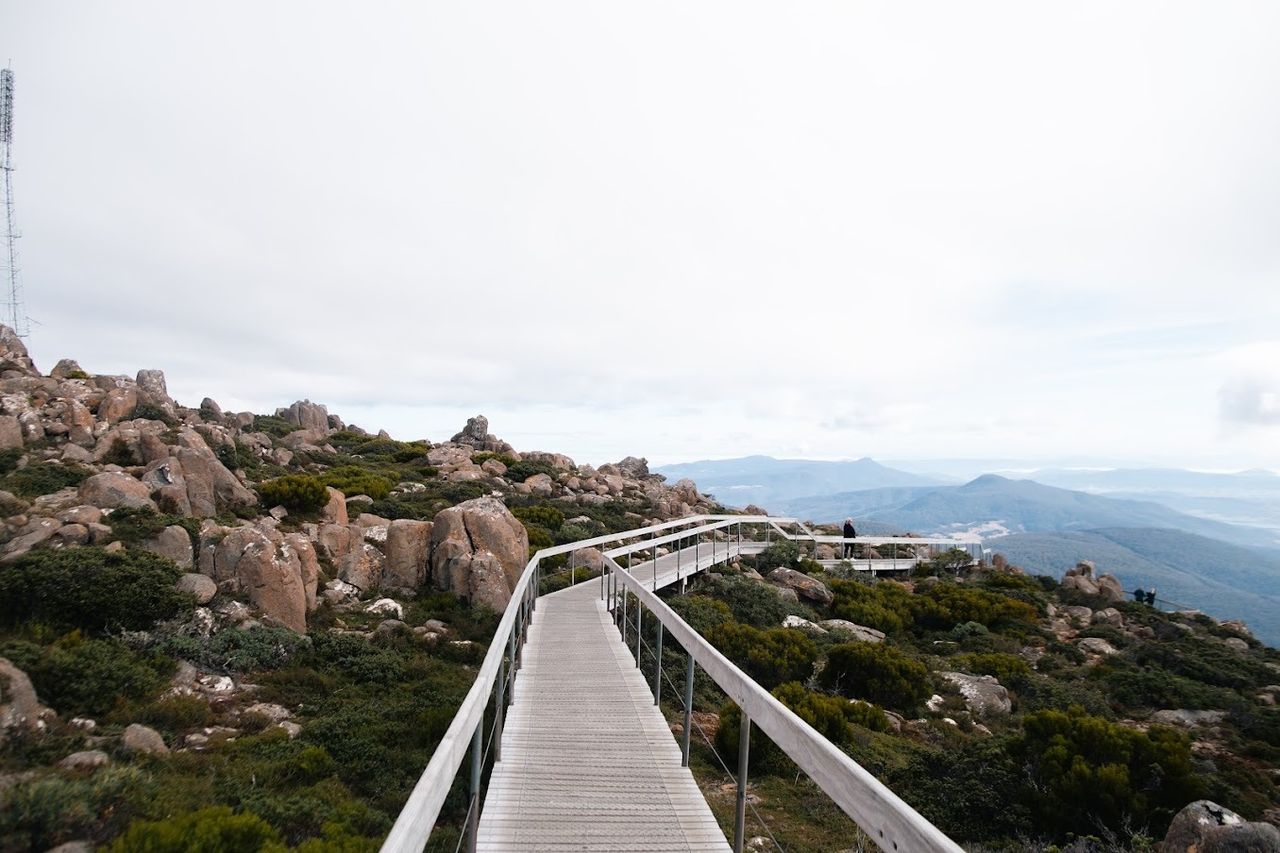
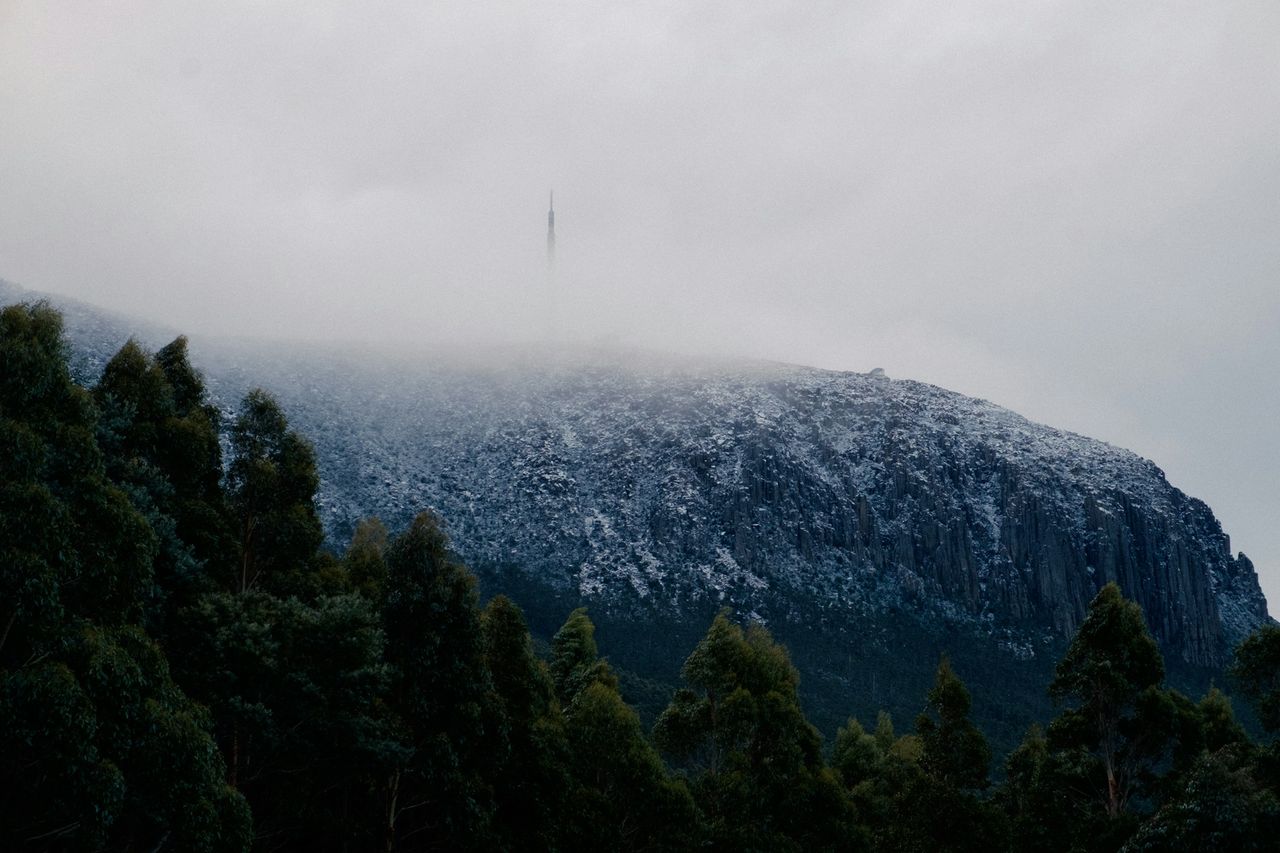
Few capital cities anywhere let you build a snowman in the morning and be back at a harbourside café by lunch. When snow settles on kunanyi / Mount Wellington, the summit becomes a winter playground just 30 minutes from central Hobart. Down at sea level, the city keeps humming - open fires in centuries-old pubs, whisky distilleries pouring tastings, and restaurants showing off Tasmania's winter produce.
The Crowds Go Home
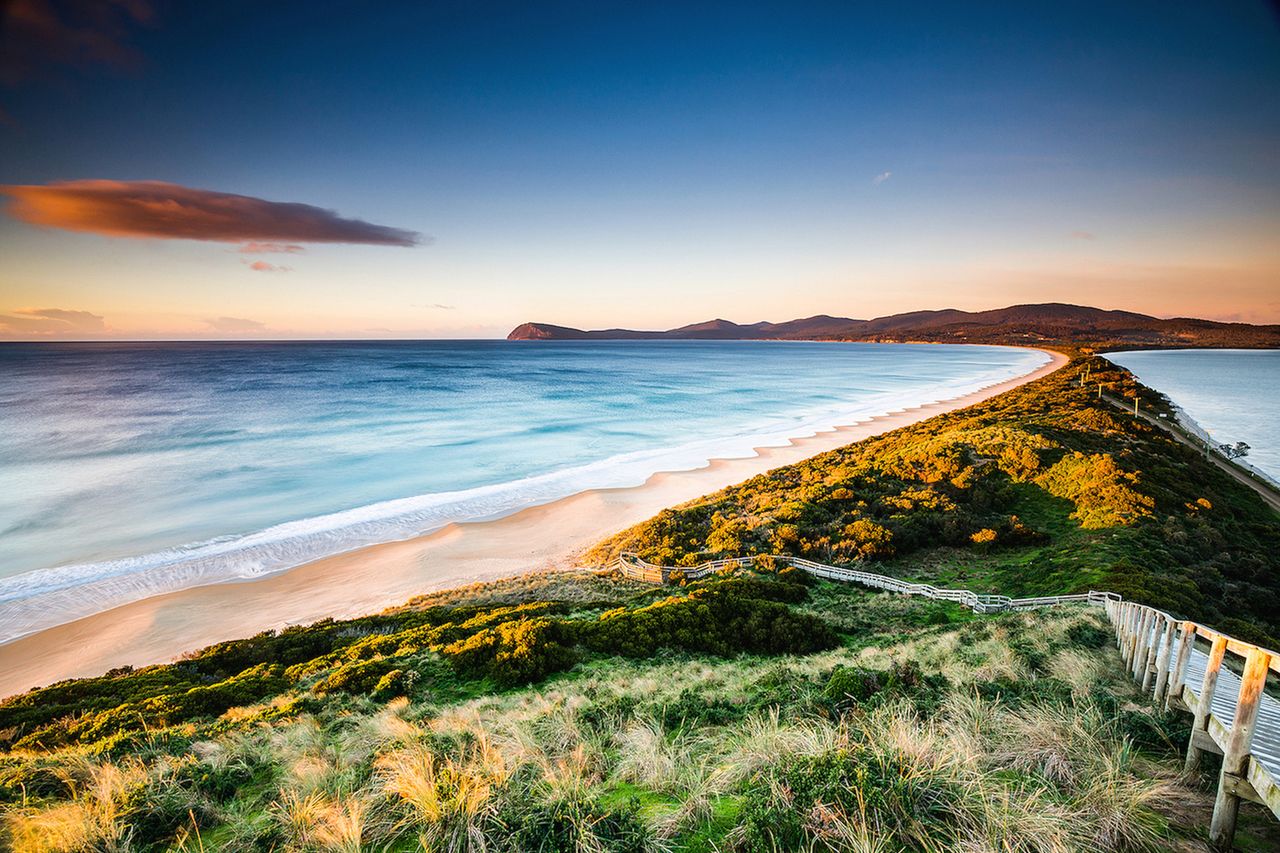
That famous photo spot at The Neck on Bruny Island? In summer you might queue for it. In winter, it can be just you, the wind and a few hundred thousand seabirds. Tours run with smaller groups, accommodation prices drop, and the whole island moves at a slower, more generous pace. If you prefer your wilderness without an audience, this is your season.
Wildlife Doesn't Hibernate Here
Tasmania's animals stay active year-round. Wombats grow thicker coats and graze in broad daylight, wallabies come down to lower ground, and shorter days mean you don't have to stay up late for the best wildlife viewing. Winter is also when Tasmanian devils are at their most active and vocal.
The Light Is a Photographer's Dream
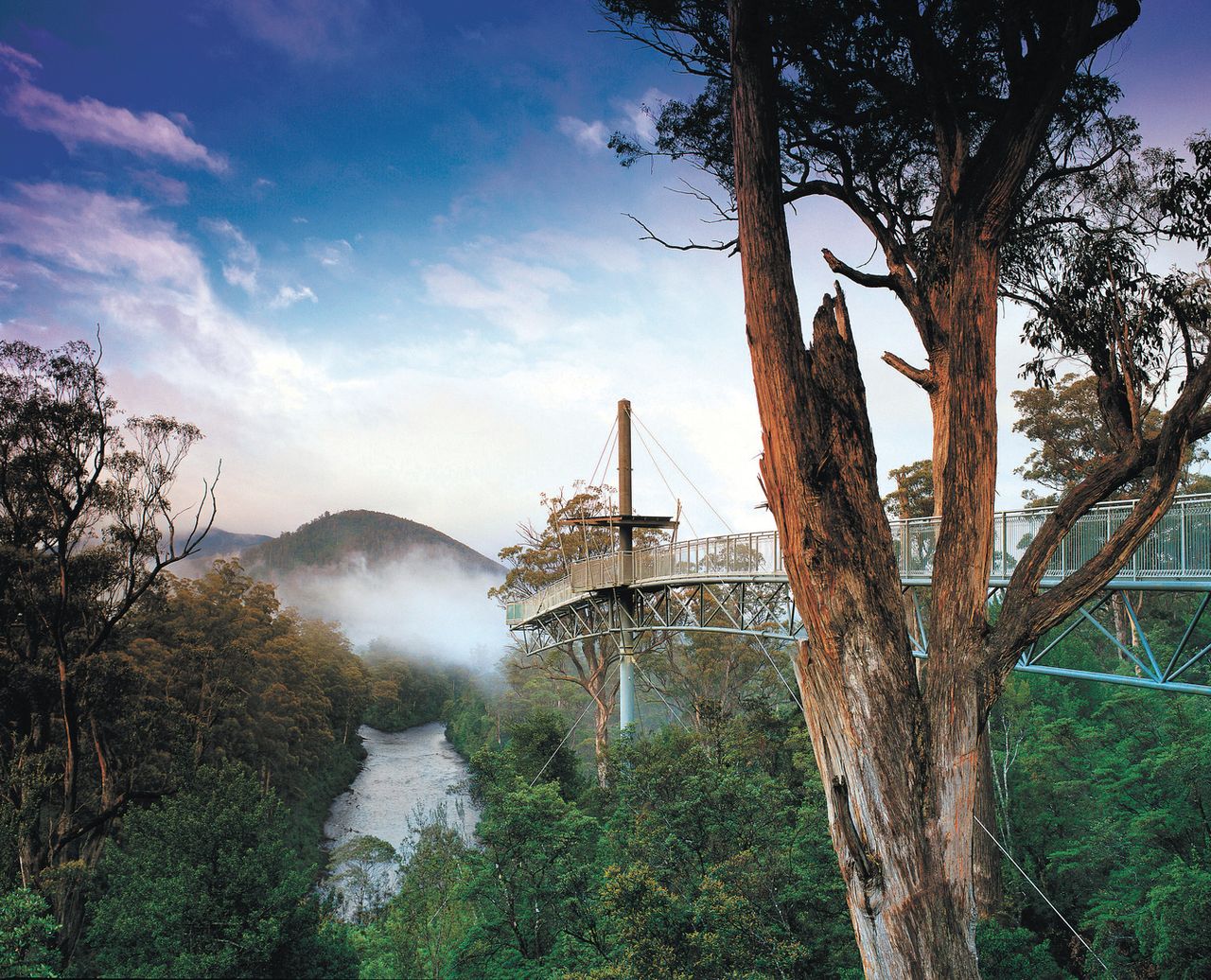
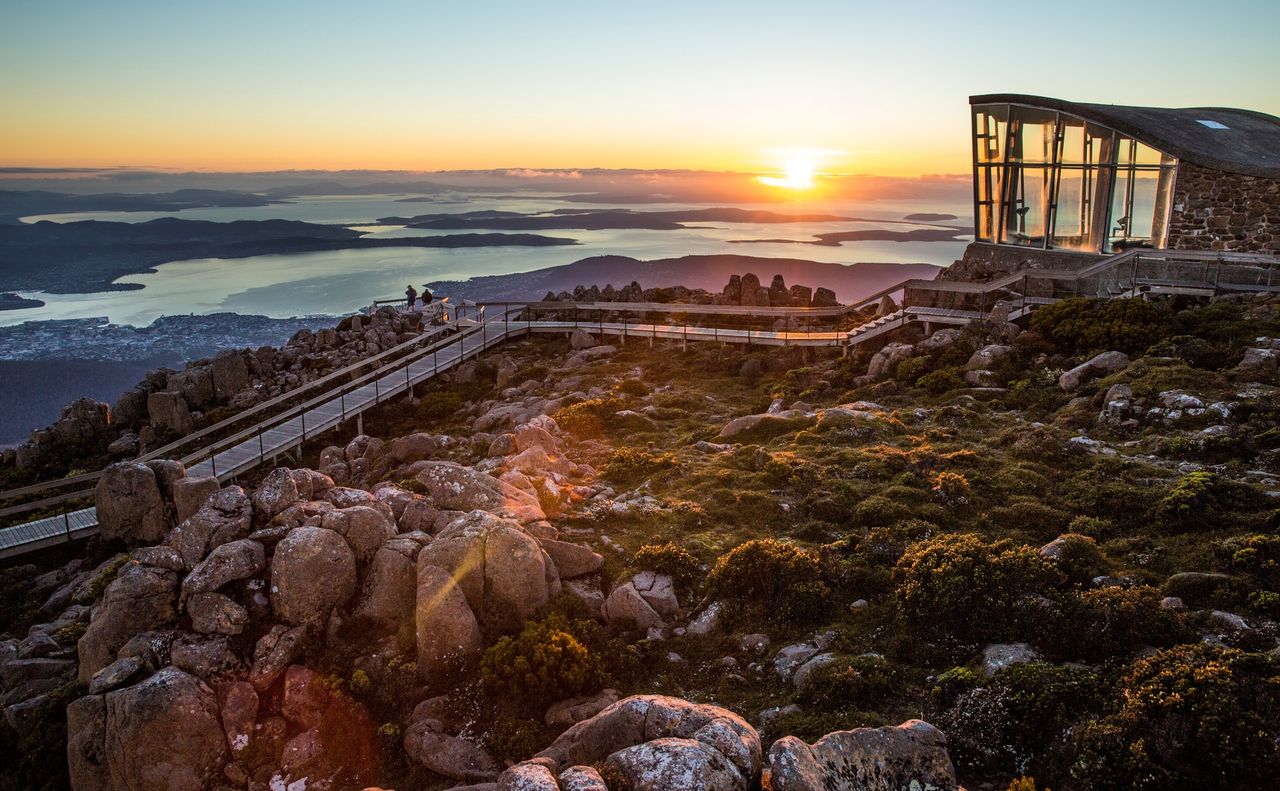
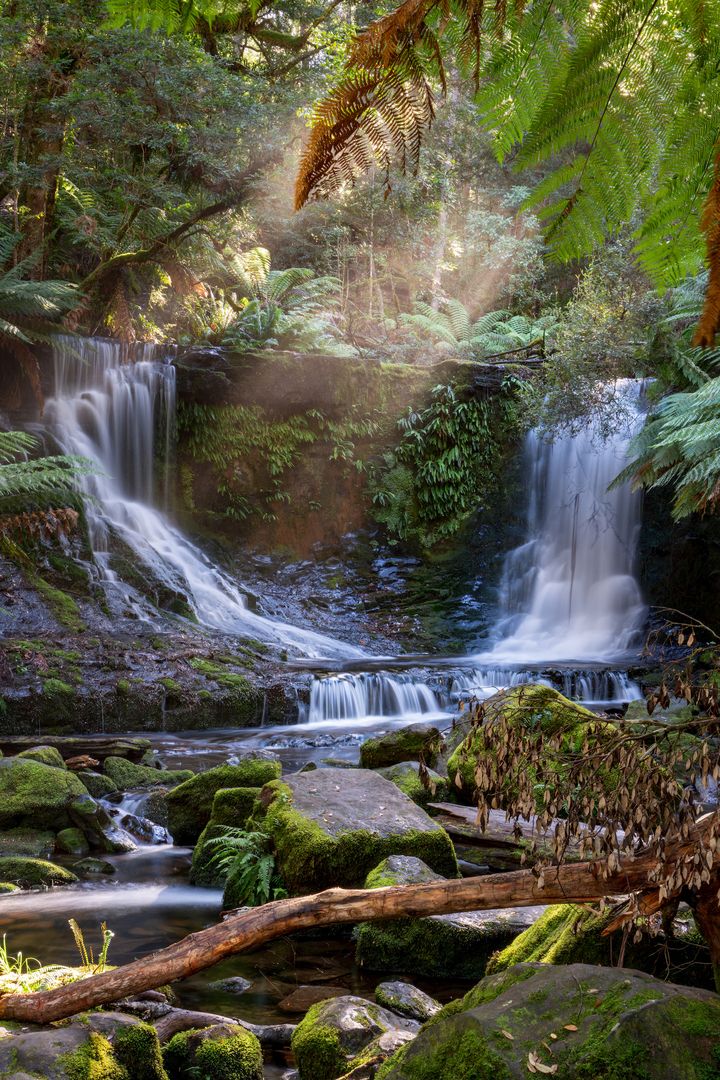
Winter light in Tasmania is low, golden and soft for most of the day - what photographers chase as 'golden hour' lasts half the afternoon. Mist hangs in the valleys, waterfalls run at full force after rain, and the contrast of snow against eucalyptus forest is something you'll only see on this island.
What to Pack for a Tasmanian Winter
- Layers - days often start near freezing and warm to a crisp, sunny 12-14°C.
- A proper waterproof jacket and walking shoes.
- Beanie and gloves for the mountain summits.
- Your camera - and a tripod if you're chasing the aurora.
Frequently Asked Questions
Is Tasmania too cold to visit in winter?
Not at all. Hobart winters are milder than many expect, with daytime temperatures typically between 3°C and 14°C. With the right layers, it's ideal walking weather.
Do tours still run in winter?
Yes - our day tours operate year-round, and winter departures often mean smaller groups and a more personal experience.
When can I see the aurora australis in Tasmania?
The aurora can appear any time of year, but the long dark nights from May to August offer the best viewing odds.
Trade the crowds for crackling fires and empty beaches - explore our winter tour departures and see Tasmania at its most atmospheric.